About

Galleries

Media

About Trichology

See our hair products

Hair Loss

About Hair Loss

Genetic Hair Loss

Alopecia

Telogen Effluvium

Chemotherapy

Trichotillomania

Scalp Disorders

About Scalp Disorder

Seborrheic Dermatitis

Psoriasis

Eczema

Folliculitis

Trichology

Services

Trichology

TED™ Hair Restoration

CNC 3D Hair Prosthesis

Wigs

Comprehensive Hair & Scalp Solutions

Our Services

Consultations and deeper insights with
AnneMichelle Radcliff

01.

Consultation

Our one-hour consultation and coaching sessions help us understand your needs and create a customized plan and roadmap to revitalize your hair.

02.

Polarized Light Microscopy

Polarized light microscopy offers deep insights into hair health, revealing damage, moisture levels, and overall condition.

03.

TricoTest® Scalp Analysis

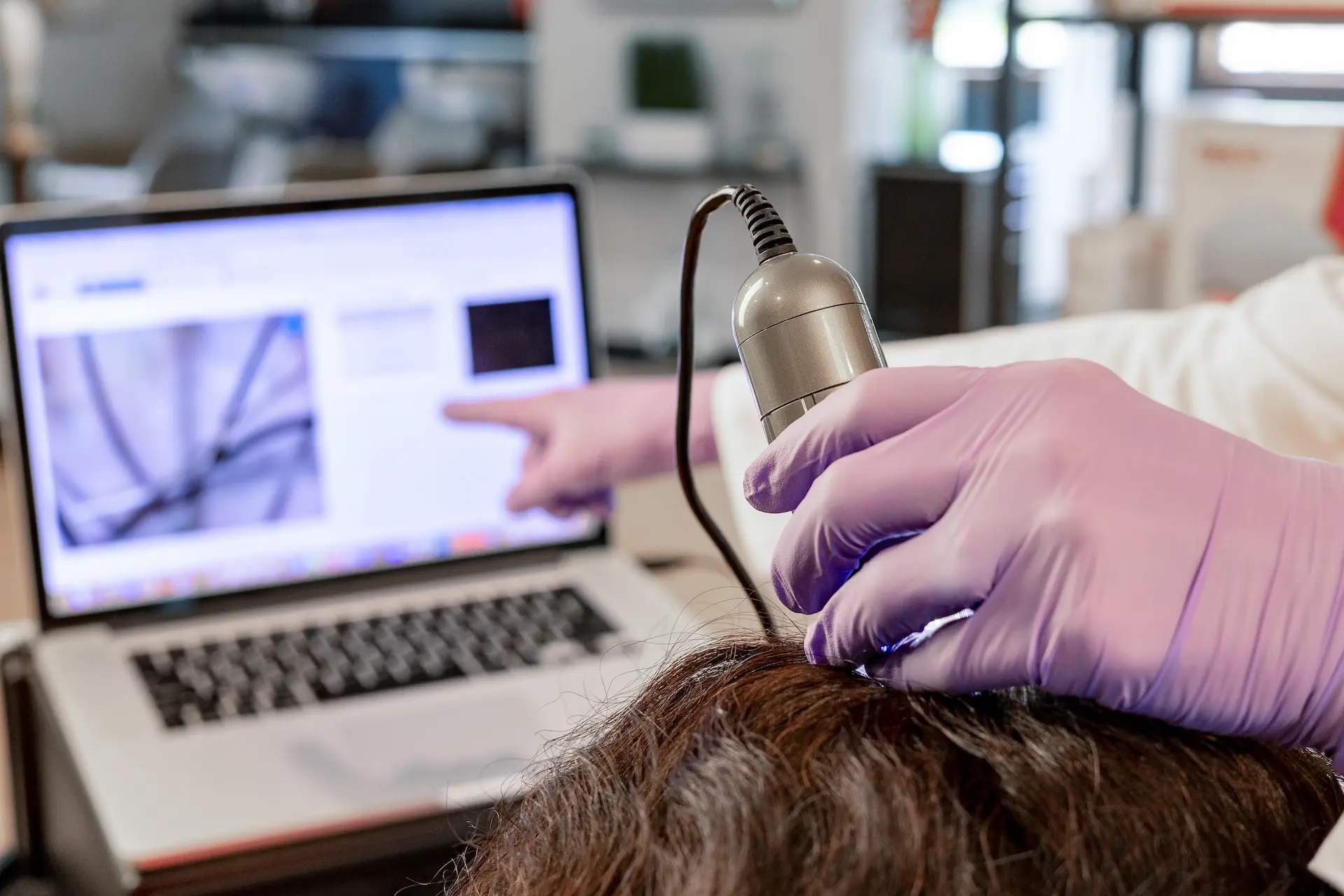
The TricoTest is an innovative diagnostic assessment that provides a close-up look at the scalp and hair follicles so we can analyze your hair loss.

Your Journey to Restoration

Get to the Root of
Your Hair's Health

Every hair loss journey is completely unique. That is why we don’t believe in one-size-fits-all quick fixes. Your path to restoring your hair and confidence begins with a comprehensive, personalized assessment.

Step 1: The Initial Consultation

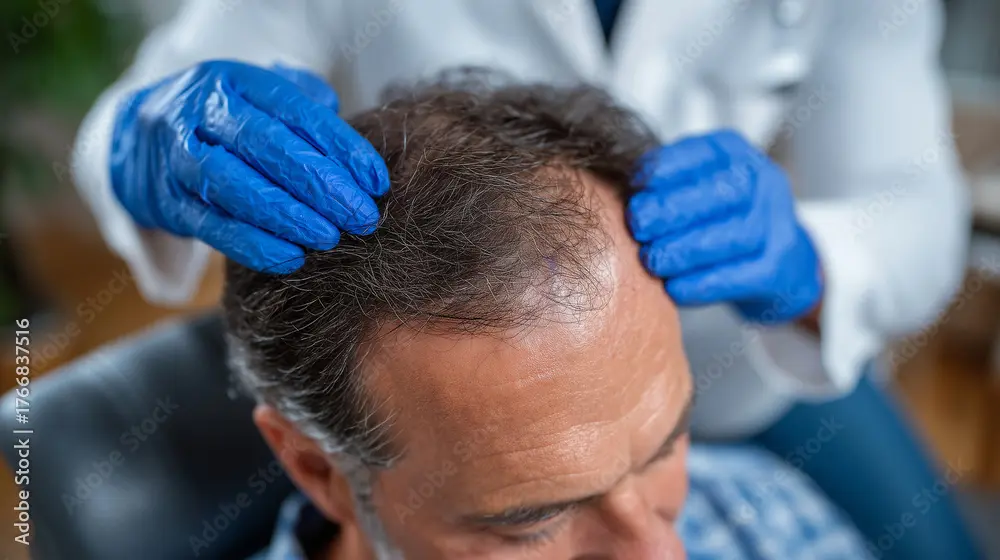
Sit down with certified trichologist AnneMichelle Radcliffe. During this dedicated time, we will listen to your concerns, thoroughly evaluate your hair and scalp health, and identify the underlying causes of your hair loss.

Step 2: Your Custom Treatment Plan

Based on your thorough assessment, AnneMichelle will design a personalized, non-surgical treatment strategy. From therapeutic scalp treatments to advanced restorative therapies, we will recommend the exact next steps needed to revive your hair.
Step 3: Restorative Treatments

Experience our state-of-the-art, non-surgical hair restoration solutions. Whether it is therapeutic scalp treatments or advanced growth therapies, we utilize the latest science to stimulate your follicles and restore natural vitality.
Step 4: Lasting Care & Maintenance

Achieving great hair is a journey, and we are with you long-term. We provide ongoing support, follow-up assessments, and dedicated at-home care regimens so you can maintain your beautiful results and confidently love your hair again.

Begin Your Journey

Take the First Step Toward
Healthier Hair

Stop guessing and start healing. Book your private, one-on-one consultation with certified trichologist AnneMichelle Radcliffe. Together, we will uncover the true root causes of your hair loss and map out a customized, non-surgical treatment plan designed specifically for you.

Restorative Treatments

Solutions for Hair Restoration

Trichology

TricoTest® Scalp Analysis

TED™ Hair Restoration

CNC 3D Hair Prosthesis

CNC XT Hair Extensions

Wigs

Scalp Micropigmentation

Scalp and Hair Products

Supplements

FAQs

Frequently Asked Questions

According to the American Academy of Dermatologists, it’s normal to lose anywhere from 50 to 100-125 strands of hair per day. However, with about 100,000 hairs in the scalp, this amount of hair loss does not cause noticeable thinning. Noticeable thinning is detectable usually when about 50% of hair in an area has been lost.

Hair loss is surprisingly very common. It affects up to at least 50% of women in their lifetime, with an estimated 30+ million women affected by hair loss in the United States alone. While there are many reasons for female hair loss, the most common type of hair loss in women is androgenic alopecia and this tendency can be inherited from either parent.

For men, by the age of thirty-five, two-thirds will experience some degree of appreciable hair loss, and by the age of 50 approximately 85% of men have significantly thinning hair. 95% of male pattern hair loss is due to androgenic alopecia.

Trauma, stress, pollution, genetics, diet, hormones, skin disorders, aging, trichotillomania, major surgery, medication, endocrine conditions that affect thyroid function, iron deficiency, systemic diseases like lupus, scarring, chemical processing, and even wearing certain hairstyles can all contribute to hair loss.